
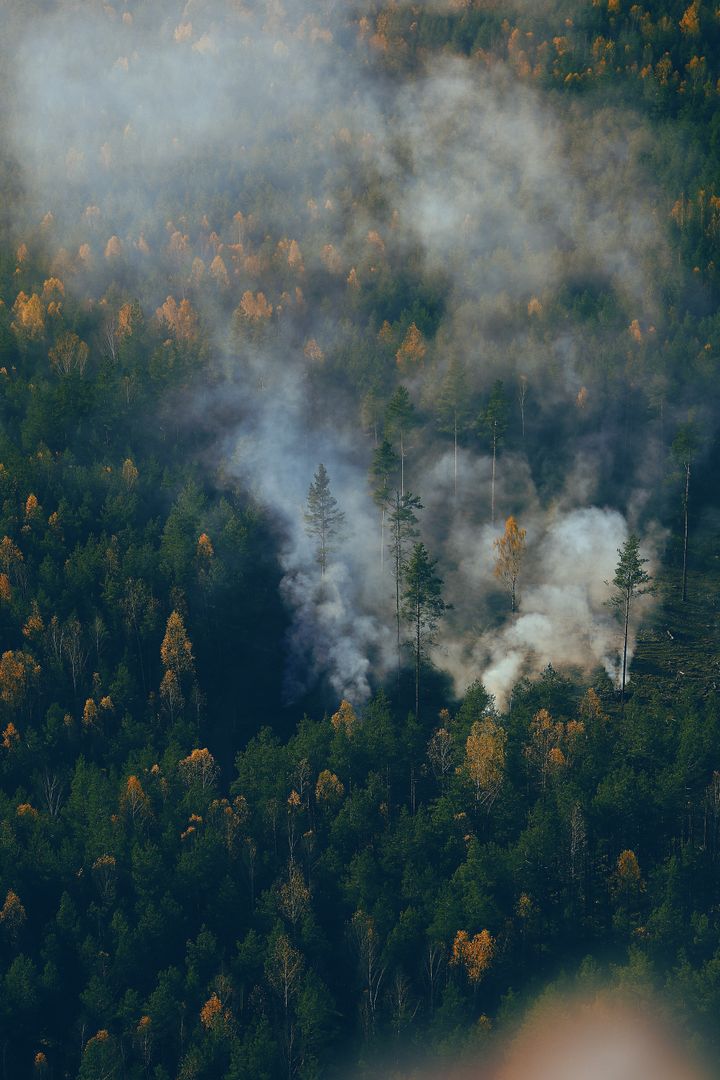
Wildfire Coverage That Actually Holds Up Here
Santa Fe sits right at the edge of wildfire-prone land, and recent seasons across Northern New Mexico have shown how fast things change. We give homeowners a free wildfire coverage review to find the gaps before fire season, not after a loss.
Why a Standard Policy Can Leave You Short
Wildfire is a covered peril on most homeowners policies, but that is only half the story. When whole neighborhoods rebuild at once, construction costs spike, and a policy written to yesterday's replacement cost can fall thousands of dollars short. Add in smoke and ash damage, debris removal, and the cost of living somewhere else for months, and the gaps add up fast.
We sit down and read your policy the way a claim would, then show you exactly where you are exposed and how to fix it. You deal with a Jacobs family member who lives here too, all backed by Allstate's national claims network.
What a strong wildfire policy should include
- Extended or guaranteed replacement cost on the dwelling
- Smoke and ash damage, even without direct flames
- Debris removal and building code upgrades
- Loss of use to cover months away from home
- Detached structures, fencing, and outbuildings
- Enough contents coverage for what you actually own
The gaps we see most in Northern NM
- Dwelling limits set too low. Older policies rarely keep pace with today's rebuild costs, especially after a large fire.
- No extended replacement cost. Without it, a total loss is capped even when rebuilding costs more.
- Outbuildings underinsured. Barns, sheds, and fencing often fall outside the main dwelling limit.
- Defensible space not reflected. Clearing brush and hardening your home can improve both safety and eligibility.
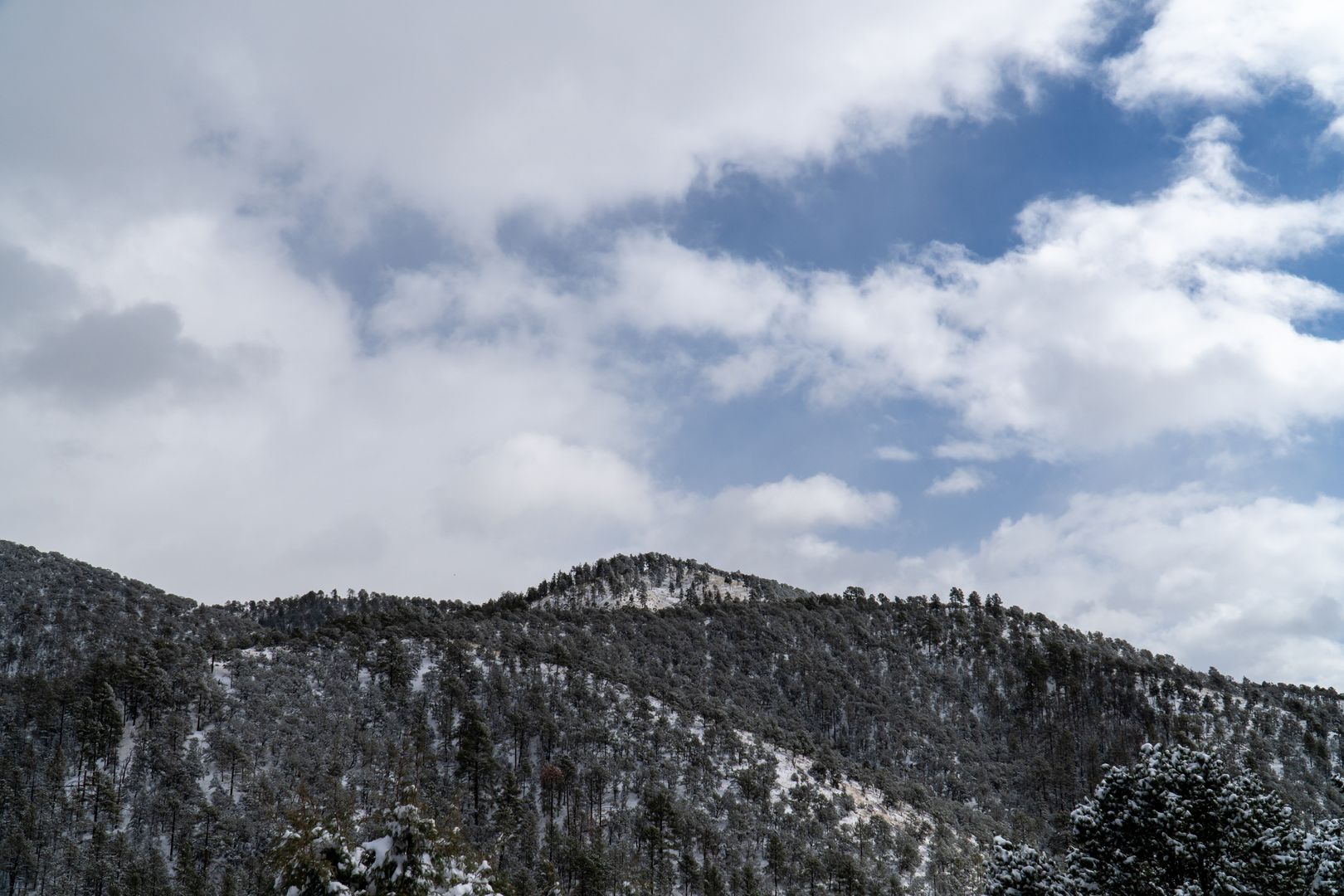
Defensible Space Works, and So Does the Right Policy
Clearing brush, trimming trees, and hardening your roof and vents genuinely reduces wildfire risk, and it can help with insurability too. Santa Fe County's Ready, Set, Go program lays out exactly how to prepare your home and your family for evacuation.
We pair that preparation with a policy that pays properly if the worst happens, so you are covered on both sides, before and after a fire.
- Create and maintain defensible space around the home
- Harden the roof, vents, and exterior against embers
- Keep a go-bag and an evacuation plan ready
How Wildfire Actually Reaches a Home
Fire researchers at the 2025 Wildland-Urban Interface Fire Summit were clear: wildfire losses are not random. Homes ignite in a few well-understood ways, and hardened homes with maintained defensible space survive at far higher rates, even in extreme, wind-driven fires. That is exactly why we treat home preparation and the right policy as two halves of one job.
Ember Intrusion
Wind-driven embers travel well ahead of a fire and slip into vents, gaps, and gutters. Most homes lost to wildfire are ignited by embers, not a wall of flame.
Radiant Heat
Heat from nearby burning brush or a neighboring home can crack glass and ignite siding with no direct contact. Spacing and hardened materials buy critical minutes.
Direct Flame
Flames reaching the house along dry brush, a wood fence, or an attached deck. Defensible space and non-combustible edges break that path to the structure.
Home-to-Home Spread
Once fire reaches a neighborhood, homes themselves become fuel. One burning house radiates enough heat to ignite the next, which is how whole streets are lost.
Coverage for Everything on Your Property
Your Home
Extended replacement cost on the dwelling.
Outbuildings
Barns, sheds, and detached garages.
Fencing & Land
Perimeter fencing and cleared acreage.
Somewhere to Stay
Loss of use while you rebuild.